More than the sum of its parts

The first PSP whole-genome analysis (or WGA) was published in 2011. It found that “markers” associated with each of four genes were more common among people with PSP than among controls without PSP. Those markers were themselves genes of precisely known location on their chromosome but with unknown or irrelevant function. Such a gene is useful as a marker if one specific nucleotide (the A’s, T’s, G’s and C’s of the genetic code) varies among healthy individuals. Such a phenomenon is called a “single nucleotide polymorphism” or SNP, pronounced “snip.”)

So, for example, at a certain location on, say, chromosome 1, the general population might have an A in 70% of people, a T in 20%, a G in 8% and a C in 2%. If that array of frequencies is different (to a statistically significant degree) in the population with a certain disease, it means that the marker gene is located very close to (or sometimes even within) a gene that’s actually contributing to the cause of the disease.

Since then, it has become possible to easily work out the sequence of nucleotides in every gene, which, as you’d imagine, can make it a lot easier to find genetic causes of diseases. But it’s not as easy as it sounds because it’s hard to distinguish a harmless copying error from a disease-causing error. Besides, the statistics required for sequencing studies have not yet been fully invented. So, good old marker analysis is still very important and useful.


Now let’s talk about the cause of PSP. There seems to be some sort of genetic predisposition that increases the risk but is probably not enough to actually cause the disease within a usual human lifespan. So, something else, presumably an environmental exposure, is probably needed. The only such candidate toxins discovered to date for PSP have been metals, though specific metals have not been clearly identified. (There’s also unconfirmed PSP risk for consumption of paw-paw, a fruit harboring a mitochondrial toxin; and well-confirmed incrimination of lesser educational attainment, though how that relates to environmental toxins or to PSP is unknown.)
Each of those four genes identified in 2011 and about 14 others discovered since raises the risk of PSP by only a tiny amount – in the neighborhood of 1-2%. But that figure was calculated separately for each gene. There has been no attempt to work out how the risk genes might interact to raise the PSP risk enough to allow the disease process to get started, with or without an extra boost from some mysterious environmental exposure.


Still with me? I hope so, because I’ve finally gotten to my point.

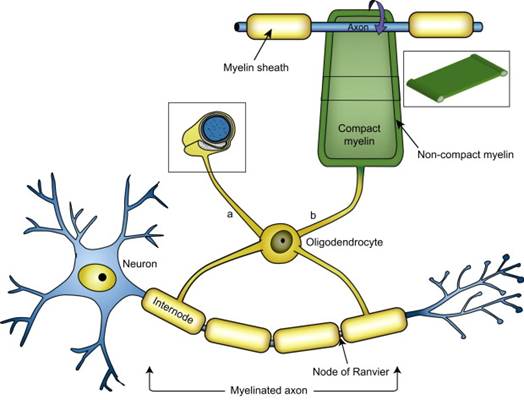
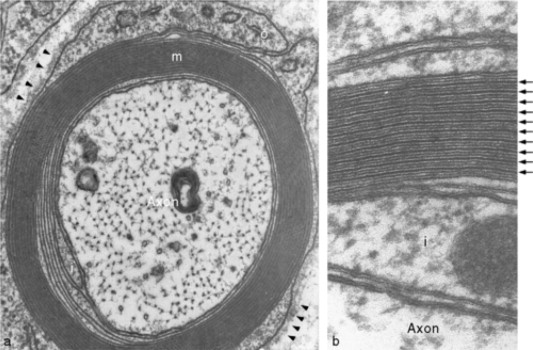
The current issue of Journal of Neurogenetics includes a paper from a research group in Bangalore, India headed by Dr. Saikat Dey of the National Institute of Mental Health and Neurosciences, with senior author Dr. Ravi Yadav. They looked only at those original four genes identified in the 2011 whole-genome marker analysis, called MAPT (encoding the tau protein), STX6 (encoding for syntaxin, which directs the movement of tiny chemical-filled balloons called vesicles in brain cells), MOPB (encoding myelin basic protein, a component of the layer of insulation around axons in the brain), and EIF2AK3 (encoding PERK, a protein that helps regulate the stress response in brain cells).


Dey et al looked for combinations of these genes’ markers occurring at a greater frequency in PSP than expected by chance given their individual frequencies. (This is called “epistatic” gene interaction.) The strongest result was between MAPT, STX6 and MOBP. The interaction between MAPT and MOBP was almost as strong, and slightly weaker interactions occurred between MOBP and STX6 and between MOBP and MAPT.


So what, you say? This is important because it can explain how gene variants, each of which raises the likelihood of developing PSP only very slightly, can nevertheless cause the disease if they occur together, perhaps even without any ancillary environmental toxin.


This can explain why PSP and other neurodegenerative diseases generally run only weakly in families: It’s unlikely that any two close relatives will share the same combination of gene variants that raise PSP risk.


Here’s a general illustration of what I’m talking about: Suppose a disease occurs with 100% likelihood in anyone with a risk mutation in each of three specific genes and that each mutation by itself has a frequency of only 1% in the population. That means that for someone to develop the disease, they’d need the unlucky combination of three 1% events. That likelihood is 1% to the third power, or 1 in a million. Now, that person’s sibling would have only a 50% chance of sharing the same form of each gene (called an “allele”). So, for each sibling of the person with the disease, the chance of sharing all three disease-causing alleles would be 0.5% to the third power, or 1¼ in 100 million.


Such gene interactions explain how a purely genetic disease could so rarely occur twice in the same family.


I’ve simplified the analysis of Dr. Dey and colleagues, and more important, there are at least another 10 PSP risk genes that their analysis didn’t consider. So, I hope they or someone else gets around to that very soon. Maybe they will find that the cause of PSP can be entirely explained by unusual combinations of mildly risk-conferring genes that can be tested for in a drop of saliva. That has some important ethical implications, but it could permit genetic counseling and could make it much easier to find volunteers with “pre-PSP” on whom to test drugs to slow or halt the disease’s progression. Furthermore, identifying a combination of protein actions that, when deficient, causes PSP could permit targeted design of new drugs.

A French Swiss Army knife

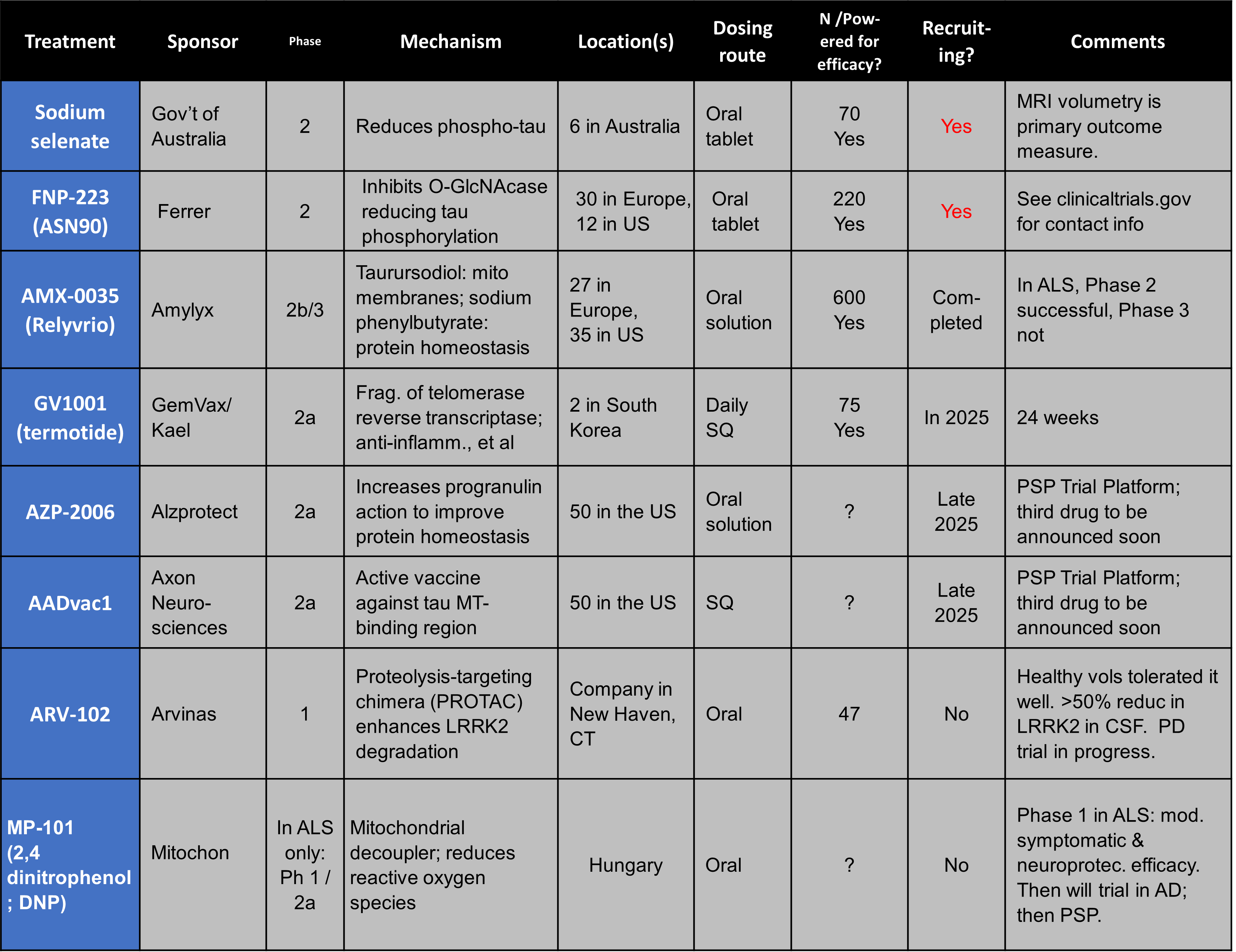
My last post was about AADvac1, one of the three neuroprotective drugs set to inaugurate the PSP Trial Platform (PTP) later this year. Today’s post is about the second drug, AZP-2006. The third drug has not yet been finalized, but at a conference in London last week, Dr. Adam Boxer, the leader of the PTP, said it will be revealed soon.


The PTP trials are all Phase 2a, meaning that they’re designed primarily to assess safety and tolerability. However, they do include enough patients, typically about 100 or 200, to detect drug benefit if any indeed exists. The benefit would be in the form of slowing of the rate of progression of PSP as measured by a newly abridged version of the PSP Rating Scale. The PTP will recruit one placebo group to serve as a comparator for all three active-drug groups.


An unpublished Phase 1 PSP trial in 36 people with no placebo group found a 31% slowing of the PSP Rating Scale progression relative to placebo groups in previous PSP drug trials. I hasten to add that comparing the results of active drug in an uncontrolled study to the placebo group in a completely different study is a minefield. So, let’s not jump to conclusions about the efficacy of this drug. All we can say is that the result justifies further investment and study.


That said, I’ll point out that in placebo-controlled Phase 2b and Phase 3 trials, a slowing of 20% or 25% relative to the placebo group is often considered adequate to consider the drug for approval.
AZP-2006 is administered as an oral liquid, which is more convenient than the intravenous, subcutaneous or intrathecal (into the spinal fluid) routes of some of the other current experimental PSP drugs. But of course, oral liquids can be a major issue for those with PSP, though it seemed not to cause any dropouts or serious adverse effects among the 36 patients in the Phase 1 trial. I don’t know if the AZP-2006 oral solution is compatible with the commonly used gelatin- or starch-based drink thickeners. The PTP trial will be confined to patients in early to moderates stages of disability, without the more pronounced swallowing difficulty of the later stages.


Nerd Alert: The main mechanism of action of AZP-2006 is at the lysosomes, one of the cell’s garbage disposal mechanisms, where it acts specifically at the lysosome’s prosaposin and progranulin pathways. Prosaposin is the metabolic precursor (a “parent molecule” cleaved by enzymes to produce the active molecule) of the saposins, a group of proteins required for the normal breakdown of various types of lipids that are worn out or over-produced or defective from the start. Progranulin is the precursor, as you’d guess, of granulin, which, like saposin, is involved in function of the lysosomes. But progranulin addresses disposal of proteins, not lipids. In mouse experiments, the drug also enhances the production of progranulin, mitigates the abnormal inflammatory activity in tauopathy, reduces tau aggregation, and stimulates the growth or maintenance brain cell connections. The company has not published or otherwise released details of the mouse work and if they know the details of these mechanisms of action, they’re keeping them secret for now.
One hereditary type of familial frontotemporal dementia where TDP-43 is the mis-aggregating protein is caused by mutations in the progranulin gene. However, progranulin mutations seem not to be related to PSP.


AZP-2006 was developed by Alzprotect, a company headquartered in Lille, France that was started in 2007 and has no approved drugs as yet. Here’s a page from the company’s website. It includes a nice video with an artist’s conception (or a PR consultant’s dream) of how the drug works.


AZP-2006 may be the most likely to succeed among the currently announced anti-PSP candidates in or nearing clinical trials. That’s because it addresses multiple important cellular abnormalities simultaneously (see the Nerd Alert above), something that many of the experts feel will be sine qua non for any successful PSP neuroprotective drug.

A PSP shot?

For years, I’ve looked at drug companies’ lists of tau-directed treatments in or nearing clinical trials for Alzheimer’s disease and wished that more of them would be tried for PSP. In both diseases, as most of you know, abnormalities in the tau protein are central to the brain cell damage. Of course, the prevalence of AD in the population is over 100 times that of PSP, with a correspondingly larger profit potential. But some big companies such as AbbVie, Biogen, Ferrer, GemVax & Kael, Novartis, TEVA, and UCB have given their AD drugs a shot against PSP. Even some smaller companies with lesser resources such as Allon, Amylyx, BioJiva, EmeraMed, Noscira, Sanofi, Transposon, and Woolsey have done so, and in some cases the failure of that PSP trial meant the bankruptcy of the company. Tough business.


Happily, two more companies have now taken the PSP plunge with drugs originally developed for AD. One is AADvac1, an active vaccine directed against the tau protein. An active vaccine is a component of the disease-causing protein, virus or bacterium. It stimulates the recipient’s immune system to make antibodies that then prevent, cure, or slow down the disease. You will recognize this as the mechanism for most disease-preventing vaccines like those for polio, measles and the flu. The other category of vaccines is passive, meaning that they are themselves antibodies against the relevant disease-causing molecule, virus or bacterium. Examples of passive vaccines are the rabies or tetanus shot given after an injury, and the anti-tau monoclonal antibodies from Biogen and AbbVie that have been tried unsuccessfully against PSP.


Early-phase clinical trials of AADvac1 for Alzheimer’s disease started in 2013. They were small, with only a few dozen participants, and although designed to assess safety, could have detected slowing of AD progression if it was dramatic.


The most recent such trial was published in late 2021. It showed no more side effects than placebo and excellent success in inducing anti-tau antibody formation. It was too small (117 subjects on AADvac1, 79 on placebo) to reveal less than a dramatic benefit and in fact there was no hint of benefit in its measures of dementia. However, a subsequent analysis of the trial published by a different research group in 2024 included only the 70% of the original group with high blood levels of p-tau217. That’s the most characteristic abnormal form of tau in AD, where the 217th amino acid in the protein carries a phosphate group. The re-analysis did show a strong trend toward benefit in several measures. The most dramatic effects, and the only ones reaching statistical significance, were the reduction and stabilization of blood levels of two proteins that rise in AD called neurofilament light chain and glial fibrillary acid protein. Less impressive but still favorable effects occurred in cognitive tests and imaging of brain atrophy. (Both the original and the re-analysis research groups did include important roles by employees of the drug company, Axon Neuroscience.)


I have no direct knowledge of whether the company is proceeding with a Phase 3 trial in AD based on this result, or if regulatory agencies would even allow them to do so. But I strongly suspect not, based on the absence to date of such a study from the company’s drug pipeline web page and from http://www.clinicaltrials.gov.

But PSP is another story! We now have a way for small companies like Axon Neuroscience to test a drug at relatively little expense. See my last post for some details on the PSP Trial Platform (PTP), headquartered at University of California San Francisco. Starting probably in late 2025, the PTP will perform a Phase 2 trial of AADvac1 in people with PSP in parallel with trials of the drug AZP-2006 and a third drug yet to be revealed. The three trials will share a single placebo group and coordination infrastructure, drastically reducing costs, and once things reach a steady state, reducing time delays as well.


In the Phase 2 AD trial, AADvac1 was administered as 11 subcutaneous injections, initially every four weeks and later, every three months. I suspect that the plan for the PSP trial will be very similar. The double-blind treatment period will be 12 months and the primary outcome measure will be a 15-item version of the original, 28-item PSP Rating Scale. I’ll pass along more details and contact information once these become available.


I’ll post something on the other drug planned for the PTP soon.


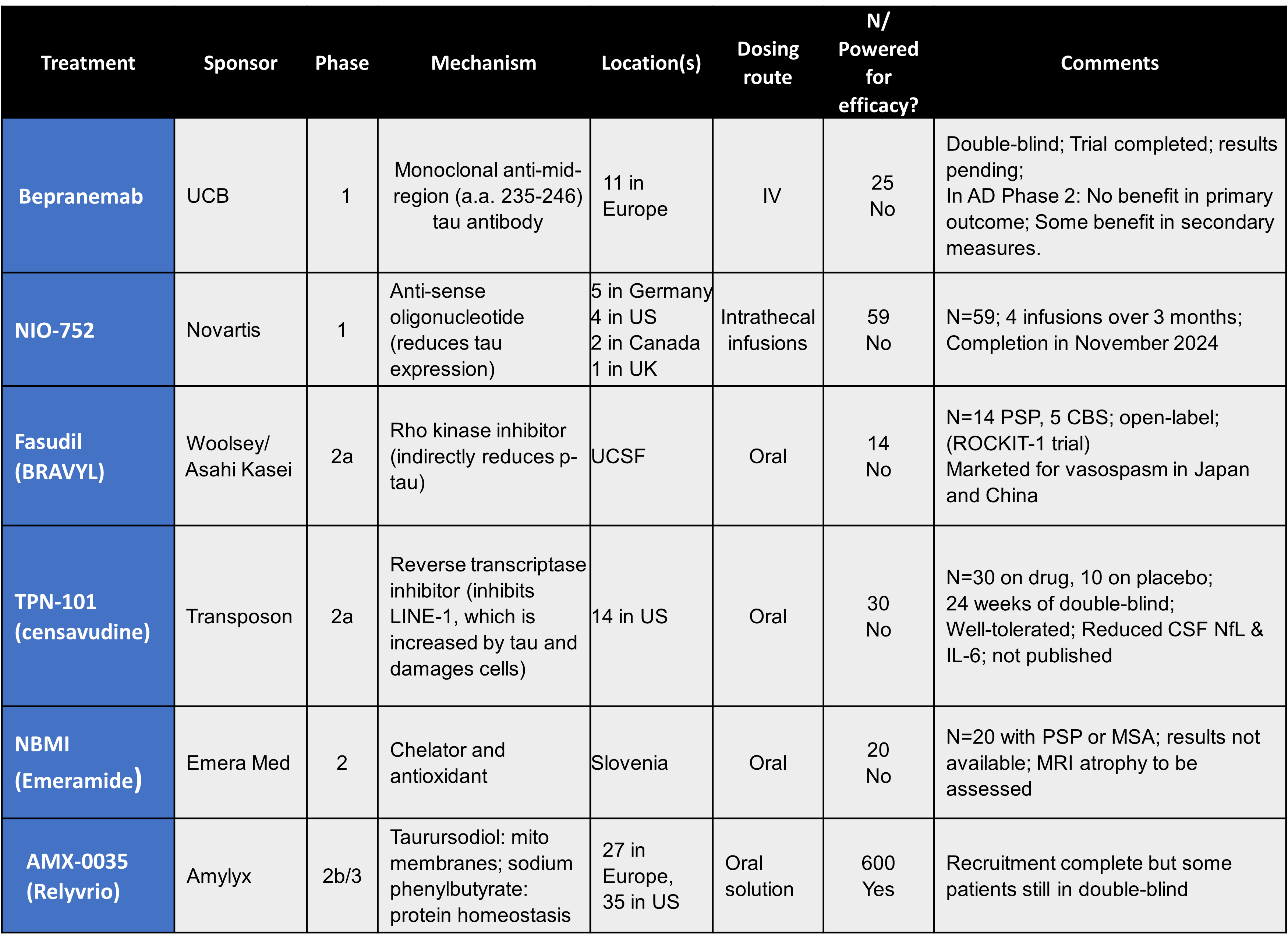
NERD ALERT: AADvac1 is a string of 12 amino acids from the microtubule-binding domain of tau. The full tau molecule has 352 to 441 amino acids, depending on which exons are spliced in by the cell. The two monoclonal antibodies that failed to help PSP are both directed at the N-terminal, conventionally shown as the left end (AbbVie’s tilavonemab against amino acids 25-30 and Biogen’s gosuranemab against 15-22). Subsequent research has shown that the disease-causing part of tau, however, is the middle region, which includes the microtubule-binding domain (amino acids 243 to 368). Another monoclonal antibody, bepranemab, which attacks a slightly different part of the middle region (amino acids 235-250), is currently being tested against AD and may enter a PSP trial in the next couple of years.

Two new drugs get a platform

This could be the best news ever in the history of clinical drug development for PSP.


Last week, I attended the Global Tau meeting in London as a representative of CurePSP. Plenty of excellent research was presented, but most of it was laboratory work that would be difficult to relate to the direct concerns of most of this blog’s readers. But there were some clinical advances, and here’s a big one.

Dr. Adam Boxer of the University of California, San Francisco is the project leader for the PSP Trial Platform (PTP). My Oct. 27, 2023 post briefly mentioned that the PTP had just been funded by the NIH. A trial platform is an organization, in this case about 50 study sites throughout North America, that invites multiple pharmaceutical companies to simultaneously allow it to test their trial-ready experimental drugs. The big news last week was Dr. Boxer’s announcement identifying the first two drugs and that enrollment should begin in late 2025.

One drug to be tested will be AZP-2006, from Alzprotect, based in Lille, France. It addresses tau accumulation and neuro-inflammation. The other is AADvac1, from Axon Neuroscience, based in Bratislava, Slovakia. It is an active vaccine directed against the tau protein. More on those drugs in a future post. Both will be Phase 2a trials, meaning that the emphasis will be on safety and tolerability, though efficacy will be detectable if it’s dramatic. The PTP has a candidate for a third company/drug in the wings awaiting final contract negotiations.


The double-blind phase for each drug would be 12 months, followed by an open-label phase, where the participants on placebo will be offered active drug. The primary efficacy outcome measure will be a version of the PSP Rating Scale abridged from its original 28 items to the 15 items best suited to daily disabilities.


Advantages of platform trials over traditional single-drug trials:
• Only one central coordination, technical and statistical staff is needed. This makes drug testing more economical in terms of both money and time, lowering the bar for smaller companies to test promising treatments.
• Only one placebo group is needed and more active-drug arms can be added in the future. So, if a traditional trial offers only a 50% chance of receiving active drug, a platform trial testing three drugs would offer a 75% chance of being assigned to active drug.
• Once the platform is up and running, there is no delay for test site recruitment, contracting and training. This further reduces the costs and allows a new drug to be smoothly slotted into a vacated spot.
• It’s possible to make the three drugs’ trial protocols relatively uniform, allowing the results to be compared with greater confidence than would be possible if each had been tested in separate projects.
• The availability of a completed control group facilitates an interim analysis (a peek at the incomplete data under strict confidentiality rules) to determine if continuing that drug’s trial would be futile. If the result is unfavorable, this saves time, money and most important, drug side effect risk for future participants. Such a drug could be withdrawn from the PTP and another drug could take its place.


The other Principal Investigators working with Dr. Boxer are Dr. Anne-Marie Wills at Massachusetts General Hospital, Dr. Irene Litvan at UC San Diego and Dr. Julio Rojas of UCSF. The NIH has committed $70 million over five years to this project and the participating drug companies would also contribute substantially (though much less than if they had mounted trials on their own). Dr. Boxer told me that as of last week, in late April 2025, the NIH funding had not been affected by the recent Federal research budget cuts, but we’re all holding our breath on that.

A Flag Day activity

Hi, everyone. Sorry for my multi-month absence — nothing more than writer’s block and competing commitments. The first seems to be un-blocking itself, though the latter continues, at least until summer.


I thought I’d pass along something verbatim from today’s email: an on line/in person informational symposium you might want to take advantage of.

Most of you are already plugged into CurePSP’s extensive information and support services, but this announcement is from an independent non-profit called the Brain Support Network, in Menlo Park, CA. It’s run by Robin Riddle, whose father had PSP and whose professional background is in marketing for tech companies in Silicon Valley. The BSN started mostly as a service for families wishing to donate their loved one’s brain to research, but has developed into an excellent source for information and support as well.


PSP-MSA-CBD Caregiving Symposium
Saturday, June 14, 2025, 10am-3pm PT

Online and In-Person (Stanford Campus)


This event is designed specifically for caregivers, partners, and family members who care for those with PSP, MSA or CBS. The in-person event is for caregivers only. Obviously, this doesn’t apply to online attendance, though the program is focused on caregiving. There is a small registration fee. Scholarships are available.

Speakers include:
• a movement disorder specialist on what caregivers can do for these three atypical Parkinsonian disorders;
• a psychologist on the caregiver’s journey;
• two social workers on the effects of neurological decline on the family unit; and
• a panel of PSP, MSA, and CBD caregivers, many of whom are Brain Support Network group members.

Attend Online:
• bit.ly/june14atypical-virtual
• Registration ends on June 14, 11am PT

Attend In Person on Stanford Campus:
• bit.ly/june14atypical-campus
• Registration ends on June 12, noon PT

Three action items

Time for my occasional, highly selective roundup of recent research. But this time, it’s not about molecules or images. Instead, it’s three clinical things of possible immediate importance in our understanding or everyday management of PSP.

“Neuropathy” means problems with nerves outside the brain and spinal cord, sometimes causing numbness, tingling, imbalance, pain or weakness. Dr. Yumkham Devi and colleagues at the All India Institute of Medical Sciences in Rishikesh have performed one of the few studies to date of neuropathy in PSP. Using both subjective symptoms and nerve conduction testing, they found some degree of damage to the nerves in the limbs in 65% of their patients with PSP and 51% of those with Parkinson’s. The nerves were affected symmetrically, as typically occurs with the neuropathy of diabetes or malnutrition. In contrast, problems with individual nerves are more typical of compressive causes like carpal tunnel syndrome or sciatica. The authors hypothesize that the abnormal tau of PSP could be damaging the Schwann cells, which provide the insulating coat around most nerve fibers. Other research has suggested that Parkinson’s can cause neuropathy through nutritional disturbances such as poor absorption of vitamins by the intestine.

    Editorial comment: With only 15 people in this trial with PSP and neuropathy, clear conclusions about the relationship with levodopa use were impossible. However, the high frequency (65%) of neuropathy in PSP and the previous results on nutrition as a likely cause of neuropathy in Parkinson’s are instructive. They provide an important reason for those with PSP to maintain nutrition carefully despite their swallowing problems and to avoid the constipation that PSP often causes. Both issues are very manageable causes of nutritional disturbance that could cause neuropathy.

    Dr. Éadaoin Flynn and colleagues of Trinity College, Dublin have reviewed the literature of the dysphagia – the swallowing difficulty – of PSP. Only 20 of 932 published studies of the topic met their rigorous criteria. The most common issues occurred in the mouth, with difficulty coordinating the tongue. The single most common problem was transferring the food from the front of the mouth to the back, with incomplete swallows in 98%. Less common problems occurred in the pharynx and esophagus. Penetration of food into the airway above the vocal cords occurred in 40% and actual aspiration, penetration past the vocal cords, in 24%.

      Editorial comment: All PSP experts I know advise an evaluation by a speech/swallowing professional early in the course of the disease. Some even feel it should be done immediately upon diagnosis even if there is no subjective difficulty swallowing. All agree that it should be repeated at least annually or if the symptoms worsen significantly. The most common cause of death in PSP is pneumonia caused by aspiration, where chewed food irritates the lung tissue, making it hospitable to the growth of any bacteria subsequently inhaled from the air. This is low-hanging fruit for those with PSP, as the various modification to diet and eating methods really can make a difference in life expectancy.

      Dr. Michał Markiewicz and colleagues at the Medical University of Warsaw, Poland, have reviewed the literature on what we know about the quality of life in PSP and how it should influence everyday management. They discuss the strengths and weaknesses of the PSP-QoL Scale and cite data showing that items on depression and daytime sleepiness correlate best with overall reported quality of life.

      Editorial comment: Depression and daytime sleepiness are actually caused by the PSP process itself at work in the areas of the brain controlling emotion and sleep; they’re not just indirect results of other PSP-related symptoms. Therefore, direct treatment of these two symptoms with medication, exercise, or psychological intervention may usefully improve one’s quality of life.


      A report from the ASO front

      The Comments section just received a trial participant’s personal report and some good questions about the anti-sense oligonucleotide (AS0) trial sponsored by Novartis.  As explained in my last post, all the patients in that trial have completed their participation and the data are being analyzed.  First, here’s the comment unedited (except for correcting the location of the PSP conference and my bracketed clarification in the fourth line), followed by my response.

      IT WORKS! My husband was in the trial. No cure but a great year – his condition was improved in so many ways. I have been waiting for someone at Cure PSP to put out the word. I assumed they were going to present at the Toronto conference but they did not.

      We are so sad they [Novartis] refuse to continue to give it to us. Novartis has a published policy to keep giving people in a trial drugs that provide help but denied us with the excuse it was phase 1. Even if it is too expensive when administered through the spine it provides evidence that this horrible disease can be managed and greatly improves life. We would love to go to Novartis and show them how it works. Hopefully they are not just proceeding on using it for Alzheimers. We have been watching and waiting to see if they release results. They need to publish them. HOPE MATTERS! Kathy and Steve from San Diego, California.

      Kathy and Steve:

      I’m so glad that you, Steve, had symptomatic benefit from NIO752.  You raise several good points deserving separate responses:

      • The known molecular mechanism of the drug would merely slow down, or hopefully halt, the future worsening of the disease, not improve it in absolute terms.  People entering clinical trials may start paying new attention to their health and changing their habits regarding diet, hydration, exercise, physical and other types of therapy, compliance with concomitant medication, and discontinuation of unnecessary concomitant medication that might have been producing side effects.  There’s also the possibility of a placebo effect.  All this, of course, could make someone entering the trial feel better and is why establishing true drug efficacy requires a control group. 
      • The reason not to provide the drug post-trial to Phase 1 trial completers is that the purpose of Phase 1 is to establish safety, and until that trial is over and the data analyzed, the drug’s safety remains unknown in people with PSP.  Even if the trial is over and the drug found to be safe, that applies only to the duration of the trial.  So, allowing a trial completer to continue to receive the drug for longer would be taking a safety risk, and there would no longer be a placebo group to use in assessing the magnitude of that risk.
      • That said, there’s a slight theoretical possibility that the reduction in tau production caused by NIO752 could actually allow recovery of normal function by some brain cells that were malfunctioning but still salvageable, producing an immediate symptomatic improvement.  But that might have no relationship to any long-term neuroprotective benefit.
      • I do have some good news in response to your hope that Novartis is still pursuing PSP rather than just Alzheimer’s.  I’ve heard that the company has been seeking information useful for the design of an efficacy PSP trial.  That suggests that such a trial is being at least provisionally planned. 
      • The results of Phase 1 trials are not always be published in journals, but they are often presented as posters at conferences and are announced by the company in the form of press releases.
      • Yes, HOPE DEFINITELY MATTERS!

      NIO752 update

      Today reader RW posted a comment asking about the status of the NIO752 trial. I thought my answer was so, SO well-crafted and informative that I just had to promote it from a comment response to a full blog post, and here it is:


      RW:

      First, for the benefit of your fellow readers, NIO752 is the anti-sense oligonucleotide from Novartis. An ASO is a short span of RNA injected into the spinal fluid space. In this case, the injections are given four times: every three months for a year. The drug reduces production of tau at its source — where its gene is transcribed into protein. In my opinion, it’s more likely to work against PSP than any other past or current experimental drug. However, the need for the spinal injections could limit its appeal, especially if one or more of the oral (i.e., more convenient) drugs currently in more advanced stages of clinical testing reach the market first.
      The Phase 1 NIO752 trial ended a month or so ago and Novartis, apparently, is still crunching the numbers. It’s typical for that to take 2 or 3 months, so I wouldn’t infer anything from it. Keep in mind that this was only a Phase 1 trial, powered to assess safety, not efficacy. I haven’t heard anything through the grapevine about major safety problems during the trial, but you never know what the actual data might show or how the company might react in terms of continuing to advance the drug into a Phase 2 trial.
      LG

      Switching sides

      I want to tell you about one small study that, although it needs expansion and confirmation, is exciting because it could allow a future PSP neuroprotective treatment to be prescribed before having to wait for symptoms to appear.

      You’ve probably heard of the protein “alpha-synuclein”  (pronounced “suh-NOO-klee-in”). It has a long list of normal functions in our brain cells, but in its various misfolded forms, is the major component of abnormal protein aggregates of Parkinson’s disease, dementia with Lewy bodies and multiple system atrophy.  Now, a blood test for alpha-synuclein might actually provide a way to diagnose PSP despite the fact that tau, not alpha-synuclein, is PSP’s abnormally aggregating protein. 

      The new paper in the journal Biomedicines by researchers at the University of Catanzaro in Italy, have found the concentration of alpha-synuclein to be slightly greater in the red blood cells of people with PSP than in healthy people or those with PD.  The graph below from the journal article (with my explanatory notes and arrows) compares results from the eight people with PSP to 19 with PD and 18 healthy control participants.  The vertical axis is alpha-synuclein concentration expressed in nanograms of alpha-synuclein per milligram of red blood cells. 

      One paragraph of technical background on alpha-synuclein: While alpha-synuclein does most of its work in brain cells, helping in neurotransmitter release and protect against mis-application of the cell’s “suicide” program (called “apoptosis”), it’s also abundant in red blood cells.  In fact, it’s the second-most-abundant protein in red cells after, of course, hemoglobin.  The job of alpha-synuclein there is to help to stabilize their red cells’ outer membranes and to help in the process of removing the nucleus from the red cells’ precursor cells in the bone marrow.  Nucleus removal makes more room for hemoglobin and more important, allows the cells to deform more easily as they pass through capillaries.  That deformation provides a signal to the hemoglobin to release their oxygen to the tissue.

      Back to business: The graph shows clear overlaps between PSP and the other groups, but the medians do differ to a statistically significant degree.  The short arrow by the vertical axis points to a value of 85.06 ng/mg, which the researchers chose in retrospect as the best cutoff between normal and abnormal.  Using that definition, the sensitivity of the measure was 100%, meaning that all eight participants with PSP had an abnormal result (that is, a value higher than 85.06).  The same cutoff yielded a specificity of 70.6%, which is the fraction of the PD and HC participants with a normal result; in other words, the fraction that would be diagnosed correctly as “non-PSP.”  

      But if only 70.6% of the participants with “non-PSP” have a normal test result, that means that the other 29.4% have an “abnormal” result and would be falsely diagnosed with PSP.  PD is about 20 times as common in neurological practice populations as PSP, so for every 1,000 patients who might have PSP or PD and see a neurologist, about 50 have PSP and 950 have PD.  If you do the red cell test in all 1,000, that means that 29.4% of 950, or 279, will have an abnormal result.  If all 50 with PSP also have an abnormal result, that totals 339 people with abnormal results, of whom 279 (a whopping 82%) don’t actually have PSP.

      So, a neurologist seeing a result below that 85.06 cutoff would be able to reassure patient that they do not have PSP, with, of course, the usual precaution that outliers and lab errors do exist.  A result above the 85.06 cutoff would prompt other diagnostic tests with greater specificity, although probably with greater expense, inconvenience and/or discomfort.  I hasten to add that like any new research finding, this needs confirmation by other researchers using other, larger patient populations in all stages of illness. 

      You may recognize this result as the definition of a “screening test.”  That’s a relatively inexpensive, convenient, safe and sensitive test suitable for use in large populations of asymptomatic or at-risk people.  If a screening test is positive, further testing, or at least close observation, is advised.  A good example is a routine mammogram, where a negative reading is great news and a positive reading prompts further testing.  In this example, that testing usually results in a diagnosis of a benign cyst or scar or something else other than breast cancer, and the few women whose mammogram abnormalities turn out to be breast cancer and whose lives are saved by the ensuing treatment will be very glad to have had that screening test.  A similar situation could develop for PSP once we have an effective way to slow or halt progression of the disease.  That’s what the PSP neuroprotection trials currently under way hope to accomplish.

      It seems unlikely from the new data that red cell alpha-synuclein concentration would ever offer enough specificity to diagnose PSP to the exclusion of non-PSP.  But people with a positive test could then have, perhaps, an MRI, where certain arcane measures of the midbrain and basal ganglia could provide diagnostic information with the specificity for PSP that’s missing from the red cell alpha-synuclein test.  In this way, the red cell alpha-synuclein is similar to neurofilament light, a protein elevated in the blood and spinal fluid in PSP but also in several other neurodegenerative diseases.

      The senior author of the new paper is Dr. Andrea Quattrone, whom I know well and can vouch for.  He is an internationally recognized leader in discovering diagnostic markers for PSP.  The first-named author is Dr. Costanza Maria Cristiani.

      More technical stuff in italics: Why should alpha-synuclein occur in elevated amounts in a tau-based disorder like PSP?  Cristiani et al hypothesize that the red cells absorb most of their alpha-synuclein from the plasma (the liquid component of the blood) rather than being “born” with it in the bone marrow.  They cite previous findings that excessive tau protein impairs the blood brain barrier, which could allow alpha-synuclein, an abundant protein in the brain, to leak into the blood, where it’s “scavenged” by the red cells. An obvious next step is to check other tauopathies such as Alzheimer’s disease for elevated red cell alpha-synuclein.

      And now, on a personal note:  My career as a researcher started in Parkinson’s disease and for a decade starting in 1986, I led the clinical component of the project that discovered that alpha-synuclein was related to PD.  It began when I found and painstakingly worked up a large family with a rare, strongly inherited form of PD .  That work, which included many collaborators I recruited in multiple institutions and countries, showed that family’s illness to be caused by a mutation in the gene encoding alpha-synuclein, which had not previously been suspected of any relationship to PD.  Soon thereafter, others found alpha-synuclein as the major constituent of Lewy bodies (the protein aggregates of PD) in individuals with ordinary, non-familial PD without the mutation.  Now, alpha-synuclein treatments and diagnostic tests are being developed for PD.  So, if a critical diagnostic test for PSP, the disease to which I’ve devoted most of the more recent decades, should turn out to be based on alpha-synuclein, that would nicely satisfy the scientific narcissist in me.

      GV-1001: unclear news is good news

      In July 2023, I posted a guardedly optimistic report on the launch of a small, Phase 2a trial in South Korea of the drug GV-1001, with the generic name “tertomotide.”  Three weeks ago (sorry for my delayed vigilance on your behalf), the company released some of the results.  The headline was that the drug failed to show benefit in slowing the rate of progression on the PSP Rating Scale.  Nevertheless, the company, GemVax, said they remained optimistic and would proceed with plans for a Phase 3 trial in North America and elsewhere.

      Here’s the deal in a bit more detail.  I say “a bit” because it’s not as much detail as I’d want to see.  The trial was only 6 months long and the plan was for only 25 patients in each of the three groups: higher dose, lower dose and placebo.  That’s too brief and too small to demonstrate a realistic degree of slowing of progression.  The best longitudinal analysis of PSP to date calculated that to demonstrate a 30% slowing in a 12-month trial would require 86 patients per group.  Shorter trials and more modest slowing would require even more patients than that.  But early-phase trials like this are mostly about safety, not efficacy.

      The results for the low-dose and placebo groups appears below, just for the PSP-Richardson patients: 

      The vertical axis is the average improvement (downward) or worsening (upward) in the total PSP Rating Scale relative to the patient’s own baseline score.  (On the PSPRS, 0 is the best and 100 the worst possible score, and the average patient accepted into a drug trial has a score in the mid-30s.)  At 3 months, neither group showed much change.  But at 6 months, the placebo group had deteriorated by 4 points but the active drug group had remained close to its baseline.  So, that looks like a benefit, but the wide standard deviation (the vertical “whiskers” at 3 and 6 months) were too large to support statistical significance (i.e., to rule out the possibility of a fluke result).  Hence the negative headline, but you can see why the drug company felt encouraged by the result.

      A more complicated but statistically more valid way to look at the same results appears below. This graph applies to both PSP-Richardson and PSP-Parkinson patients, hence the larger Ns:

      This time the vertical axis is “least square mean change from baseline.”  That uses a statistical technique called “mixed-model repeated measures” to compensate for statistical noise in the results.  The basic shapes of the active drug and placebo curves look similar to the raw score graph.  But now, the two lines have the same slope between 3 and 6 months, suggesting that their rates of progression over that period were the same.  The interval from baseline to 3 months did have different slopes, favoring active drug.  So, this could mean one of 3 things:

      1. There’s a neuroprotective effect (i.e., a slowing of the progression rate) that lasts only 3 months, at which point the two groups proceed to progress at the same rate;
      2. There’s a symptomatic improvement by the 3-month point that persists to the 6-month point, but no protective effect at any point; or
      3. The trial’s small size, wide standard deviations, paucity of evaluations and short duration make it impossible to draw any conclusions about symptomatic or neuroprotective efficacy.

      I’ll vote for Option 3.

      The data for the high-dose group, which received twice the lower dose, is not presented in the company’s press release.  However, the high-dose group was included in the poster at the Neuro2024 conference (CurePSP’s annual international scientific meeting) in Toronto in October.  It did not show the possible benefit that the low-dose group showed.  So, that’s a little discouraging, but it’s not unheard-of in pharmacology for a higher dosage regimen to do something extra via a different chemical mechanism that counteracts some of the benefit of a lower dosage. So, that doesn’t worry me much.

        Now, the issue is just how safe and tolerable the drug was.  The press release only says, “The safety profile of GV1001 in the Phase 2a PSP Clinical Trial was consistent with prior safety data. GV1001 was generally well-tolerated with no serious adverse events related to the drug reported.” I’ve seen the actual numbers, and the press release is right. All of the adverse events, and there were very few, were things common in this age group or complications of PSP itself.

        So, that’s probably more information than you wanted about GV-1001, or maybe it’s a lot less than you’d have liked. (I’m in the latter category.)  Bottom line is that the results were good enough to justify a Phase 3 trial, which is slated to start in 2025, and that’s really good news.

        Note: The text in italics explaining the two graphs and detailing the drug side effects are corrections or additions to my originally posted version. I thank Roger Moon, Chief Scientific Officer of GemVax, for supplying this information after he saw the original post. These changes do not alter my conclusions.