“Rain upon the blinding dust of earth”

A new candidate has emerged in the ever-frustrating quest for a valid diagnostic test for PSP.  It turns out that microRNA in tear fluid has something to contribute.

As you no doubt recall from high school biology, DNA is transcribed in the cell’s nucleus into long strands of messenger RNA, which are then translated by the ribosomes into proteins. The messenger RNA strands can be hundreds of nucleotides long. (Nucleotides are the four “letters” comprising the genetic code.) 

But some genes, or parts of genes, are transcribed into RNA that’s never translated into protein.  These short stretches, called microRNA (miRNA), have only 21 to 23 nucleotides.  They act on regular messenger RNA in some way to reduce its likelihood of being translated into its protein.  Essentially, this system is a way for some genes to regulate others.  About 60% of our 20,000 genes are regulated by miRNAs and errors in this molecular mechanism are associated with (but not necessarily causing) things like Parkinson’s, Alzheimer’s, Huntington’s, cancers of various kinds, atherosclerosis, kidney diseases, obesity, clotting disorders and alcoholism.

It turns out that sometimes miRNA leaks from the interior of nerve, brain or spinal cord cells into accessible body fluids like blood, spinal fluid and urine, where it can be sampled and tested using PCR, that now-familiar test for diagnosing Covid and catching crooks.

It’s pretty hard to sample spinal fluid, but blood is a lot easier, and urine is easier than that.  Easier still is tear fluid.  All it takes is a quarter-inch-wide strip of filter paper, like that in coffee filters, bent into a hook that hangs from the lower lid for 5 minutes, absorbing tear fluid.

A new publication in the journal Molecular Neurobiology from Dr. Antonia Demleitner and colleagues in Munich, Germany have taken the first step to using tests of miRNA in tear fluid to differentiate among PSP, MSA and PD.  The study was small, with only 10 participants with PSP, 29 with PD and 7 with MSA, plus 10 healthy people as controls.  In each of the 56 people in the 4 groups, they measured levels of 1,113 kinds of miRNA.

After correcting the data for things like age, disease duration and medications that might reduce tear production, they found 286 miRNAs in all four groups and 244 in none.  35 kinds of miRNA occurred in at least some members of the PSP group and in no one in the other three.  27 miRNAs occurred in all groups except PSP.

They then uploaded their data into an app that finds commonalities among groups of miRNAs.  It found that the miRNAs present exclusively in PSP had to do with immune function and inflammation, the apoptotic pathway (a normal program by which cells cause their own death when necessary), and the microtubules (the brain cells’ internal skeleton/monorail system that the tau protein helps maintain).

In the image above, each column is a subject group, as labeled at the bottom. Each of the 1,113 thin layers (not demarcated from one another) indicates whether a specific type of miRNA was present (red; “amplified”), absent (gray; “not amplified”) or uncertain (pink). About half of the miRNA types were either present or absent across all 4 groups, but some were present or absent specifically in one of the groups. (From Demleitner AF, et al. Mol. Neurobiol. 2025)

The miRNAs absent in PSP but present in the other 3 groups tended to be associated with the function of a certain trophic factor (a protein devoted to helping brain cells sprout new connections and maintain the old ones).

If a tear-based test for PSP becomes available in a few years, it could make it much easier to know at an early stage of the illness if some new PSP medication would be worth trying.  It would also make it easier to recruit patients into clinical trials hoping to find such medications.  Non-interventional research such as surveys of environmental risk factors would also be easier to do and more valid with a diagnostic test that works in early stages of the disease and is cheap, harmless and painless. Even if miRNAs provide a useful diagnostic test, it doesn’t mean that the genes they regulate are the causes of PSP.  Equally, or more likely is that those miRNAs are produced as a normal response to the damage being caused by the PSP process. 

As Dickens indicates in the above quote from Great Expectations, tears can actually solve problems.

Testing our metal

My post from two days ago was about a 2024 paper that had just won an award from the Alzheimer’s Association.  It found and confirmed some subtle genetic risk factors for PSP.  One of them has to do with the part of the immune system called the complement cascade because it complements the role of antibodies. 

The finding on the complement-related gene prompted me to update my theory of the cause and pathogenesis (the subsequent sequence of events in the brain) of PSP.  That includes exposure to metals, at least in some cases. 

In response to that, a commenter asked which specific metals I had in mind. I responded directly in the comments section, but I thought it would make a good post for today:

We don’t know which specific metals might be involved in the cause of PSP, or how important they would be relative to other causes we don’t yet understand

  • The formal case-control surveys implicating metals asked about metals in general. Besides, that association was weak and lost statistical significance after other exposures were accounted for as confounders.
  • US Army veterans who developed PSP years later were more likely to have frequently fired weapons during their service than other Army veterans without PSP. So that incriminates lead, but gunfire undoubtedly aerosolizes other metals as well. My quick search reveals that gunfire can aerosolize aluminum, antimony, barium, cadmium, chromium, copper, iron, lead, manganese, nickel, tin, tungsten and zinc.
  • The PSP cluster in a couple of adjacent industrial towns in France suggests chromium, but that’s only the most important of the many metals contaminating that environment. Others with circumstantial associations are arsenic, copper and nickel, but others must exist as well.
  • The metals that caused PSP-susceptible cultured neurons to develop tauopathy in a 2020 lab study were chromium and nickel, but other metals weren’t tested because of insufficient lab capability at that time.

So that’s it, and it’s not much. It would be great if the existing genetic risk data could be analyzed for genes involved in metals detoxification. They might have fallen below the threshold of statistical significance for a genome-wide study, but a much more focused gene marker study might be able to show an association with the disease.

It could also be fruitful to analyze available autopsied brain tissue from the French cluster for metals content, comparing it to controls without PSP from the same contaminated area and elsewhere.

Also, let’s not forget that it might take certain combinations of metals, or of metals with other toxins, to increase one’s PSP risk. That could explain why there’s only one known geographical cluster of PSP — that area in France was multiply contaminated.

Nick Charles at the dinner party

What’s really fun about blogging is that I can express scientific or medical opinions without having to get past experts like peer reviewers, journal editors or conference organizers.  (Hence most of the evil trash on the Internet.) 

But a frequent, insightful commenter called “mauraelizabeth3” asked this question after reading my last post about a new genetic finding in PSP incriminating to the myelin-producing cells, the oligodendrocytes, as a major possible starting point for PSP.

Is it known how these findings relate to (or perhaps result in) the hyperphosphorylated tau protein that aggregates in the brains of PSP patients?

I’ll respond to that excellent question with my own current theory of the etiology and pathogenesis of PSP.  It’s based on legit science, but of course, I don’t really know how much emphasis to place on each of the disparate current facts, or how many additional facts await discovery.

Dear me3: 

That’s really the question, isn’t it!  My own formulation at this point is that the loss of myelin from those multiple gene variants is a sideshow that impairs neurological function but isn’t actually part of the cause of PSP.  Instead . . .

  1. I’d propose that the first abnormal event is some inherited or de novo mutations or epigenetic alterations in the MAPT gene (which we know do exist in PSP) changes the structure or the post-translational modifications of tau in a way that stimulates its hyperphosphorylation as a reaction designed to facilitate its degradation.  Hyperphosphorylation tau might also be the result of some sort of toxin exposure, with metals currently the leading contender.
  2. Then, hyperphosphorylated tau falls off the microtubules and is free to do mischief all over the cell.  Maybe the first (or only) thing it does is to make the genomic DNA in the nucleus lose some of its protection against inappropriate transcription into RNA.  It’s been shown that such inappropriate transcription allows retrotransposons to be transcribed.  (Those are pieces of DNA implanted there by viruses millions of years ago.  They have reproduced themselves to other parts of the genome and now account for about 40% of our DNA.)  
  3. The RNA so produced is recognized by the immune system as viral.  An immune response ensues, which attacks and degrades a lot of RNA and innocent bystanders.  The resulting molecular garbage is a major challenge for the cell’s regular garbage disposal, the ubiquitin-proteasome system and the autophagy/lysosomal system. 
  4. Meanwhile, all that hyperphosphorylated tau is misfolding and then aggregating with itself.  This does take place under normal, healthy conditions to some extent, and the disposal systems can handle that.  But now, with the garbage from the inflammation and the unusual amount of aggregated tau to degrade, the garbage disposal is overwhelmed.  This allows all sorts of normal toxic garbage to accumulate, and that’s eventually fatal to the cell. 
  5. This whole process starts in the astrocytes or oligodendrocytes and spreads to the neurons courtesy of the microglia (the brain’s immune cells), synaptic connections and direct contact. 

Keep in mind that I’m a clinician with little laboratory experience beyond delivering fluid samples from my patients to my smarter colleagues with the pocket protectors.  But I try to keep up with the latest in all aspects of PSP, and there’s lab support for all of the assertions in my hypothesis.  It’s just that putting those facts together is tricky, like cracking a complicated criminal plot.  I hope that my hypothesis at least illustrates that we’re starting to get more of a handle on the pathogenesis of PSP.

Thanks for the complement

The Alzheimer’s Association’s division devoted to frontotemporal dementia and related disorders has just announced its award for best publication of the year for 2004.  It’s entitled, “Genetic, transcriptomic, histological, and biochemical analysis of progressive supranuclear palsy implicates glial activation and novel risk genes.” The lead author is Dr. Kurt Farrell of the Icahn School of Medicine at Mt. Sinai in New York, and the senior author is Dr. Adam Naj of the David Geffen School of Medicine at UCLA.  Full disclosure: I played a very minor role in an early phase of the work and am 34th of the 48 co-authors.

The study sought to identify new genes conferring risk for PSP by comparing genetic markers between a group of 2,779 people with PSP (a large majority autopsy-confirmed) and 5,584 people with no neurodegenerative conditions.  This is the largest such study in PSP to date, the first having been published in 2011. The study’s large size gives it greater power to distinguish a genuine PSP-related genetic variant from a statistical fluke. 

This technique can identify not a specific gene, but a small region of a chromosome, typically with 50 to 200 genes.  But the researchers then nominated a couple of the most likely genes in that region and tested brain tissue for excessive amounts or abnormal forms of the protein encoded by the candidate genes.

Besides confirming PSP’s previously-identified genetic risk factors, Farrell and colleagues identified a new risk gene called C4A, located on chromosome 6. The protein it encodes is part of the cell’s “innate immune system.” The C stands for “complement,” a complicated group of proteins that assist the antibodies.  Once an antibody latches onto an unwanted invader like a bacterium or virus, proteins from the complement system attach to the other end of the antibody, initiating a series of interactions that eventually produces an “attack complex” that pokes a major hole in the invader.

The other important finding from the same study was a strong tendency for all the genes known to increase PSP risk to affect the oligodendrocytes.  Those are the brain cells that form the myelin sheath insulating the axons of most of the brain’s neurons, greatly facilitating electrical conduction.  We’ve known for decades that loss of myelin is an early feature in PSP, and that some PSP risk genes encode proteins related to oligodendrocytes.  But the new paper provides important confirmation in a larger patient group, using techniques not previously available.

So, bottom line: Although the genetic basis of PSP is not usually enough to make the disease occur in more than one member of a family, it could still be one important factor, along with things like a poorly-understood toxin exposure.  Furthermore, the new evidence that the oligodendrocytes might be the first cells to get sick in PSP points researchers in that direction in their search for new, easily addressable drug targets.  Plus, the discovery that an important part of the immune system could be what’s ailing the oligodendrocytes means that the array of potential drug targets is now much better focused. Shotgun approaches to taming components of the complement system have been under way for about a decade now, and the new finding of Farrell et al could focus those efforts nicely.

I like “Parkinson-like.”

Does anyone like being called “atypical”?  That adjective often conveys a foreign-ness or other-ness, and not in a good way.  If you agree, you will be glad to know that a colleague, Dr. Junaid Siddiqui of the Cleveland Clinic, and I are about to publish an opinion piece entitled, “Time to Retire the Term “Atypical Parkinsonism.”

Over my career as a movement disorders subspecialist, I’ve heard both from professional colleagues and my patients that the term “atypical Parkinsonism” for PSP, CBD, MSA and a few other conditions is unwelcome.  First, it implies that those conditions are simply unusual variants of Parkinson’s disease.  However, they are actually independent diseases at the microscopical, molecular, and clinical levels with some features in common with PD.  A similar problem applies to the term “Parkinson-plus.”  PSP, CBD, and MSA aren’t simply PD with some additional features. 

Yes, those three disease do include some degree of “Parkinsonism,” but that only means that they share a collection of outward slowness, muscle rigidity, impaired balance, and in some cases, tremor. Of course, the Parkinsonism of PSP, CBD, and MSA differ from that of PD.  But that’s not because the first three are atypical versions of the fourth – it’s because they’re fundamentally different diseases.  

That’s the scientific argument, but there’s also an emotional one.  As I mentioned at the outset, no one wants their uncommon disorder to be considered an appendage of some other, more frequent one with superficial similarities.  That would suggest that the uncommon condition is unworthy of its own approaches to support, treatment, and scientific study.  

So, Dr. Siddiqi and I propose replacing the terms “atypical Parkinsonism,” “atypical Parkinsonian disorder,” and “Parkinson-plus disorder” with “Parkinson-like disorder.”  This avoids the implication of inferiority and other-ness without losing the “Parkinson” term familiar to every physician.

The “-like” term has precedent in “Huntington-like disorder,” “polio-like syndrome,” and “stroke-like syndrome,” and that’s only in neurology.  Yes, changing medical language can be a heavy lift, but it’s been done before.  Examples just in movement disorders are Steele-Richardson-Olszewski syndrome to PSP, paralysis agitans to Parkinson’s disease, striatonigral degeneration to MSA-Parkinson, sporadic olivopontocerebellar ataxia to MSA-cerebellar, and corticodentatonigral degeneration to corticobasal degeneration.

Glossary of proposed terminology:

ExistingProposedDefinition/comments
Parkinson’s diseaseParkinson’s diseaseNo change proposed
parkinsonismParkinsonismA group of phenotypic features, not specific disease(s).  The first letter should be upper-case.
ParkinsonismsParkinsonian disorderMultiple members of a group of specific disorders featuring Parkinsonism
Primary parkinsonismPrimary Parkinsonian disorderAny neurodegenerative disorder featuring Parkinsonism as a major component, at least in a majority of cases
Secondary parkinsonismSecondary Parkinsonian disorderAny non-degenerative disorder featuring Parkinsonism in at least some cases or at some point in the illness
Atypical Parkinsonism or typical Parkinsonian disorderParkinson-like disorderReserve “Parkinsonism” for a group of phenotypic features.  Reserve “Parkinson-like” for specific diseases. Replace “Parkinson-plus” with “Parkinson-like disorder” as well.

Our paper will appear in the journal Parkinsonism and Related Disorders in a few days or weeks, at which time I’ll post you a link.  Of course, if the journal itself follows our recommendation to confine the term “Parkinsonism” to a collection of signs and symptoms rather than allowing it to refer to specific diseases, then it will have to change its own name!  But — one step at a time, I always tell my students and patients.

14 shots on goal coming up

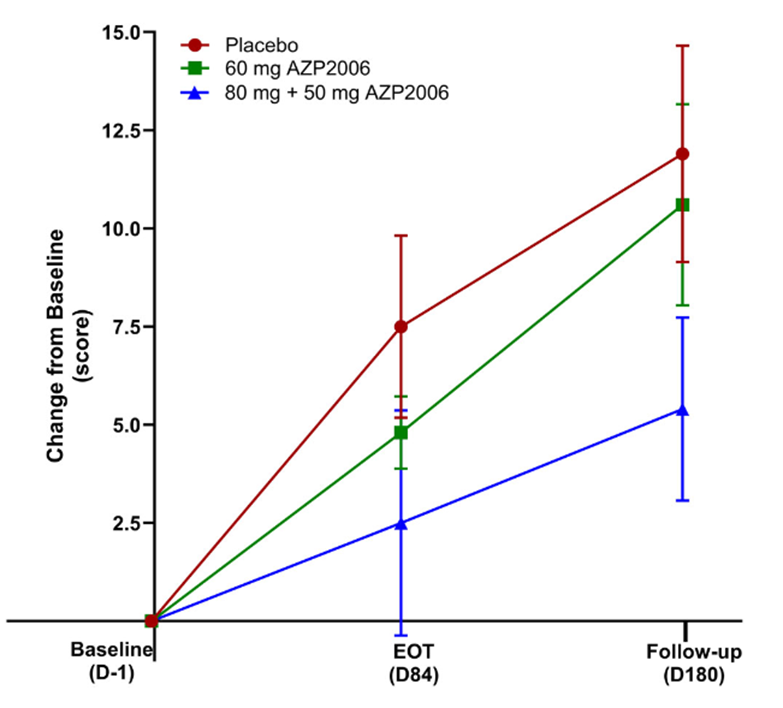
Time for my occasional update on current and upcoming neuroprotection trials for PSP. The tables here are slides from a lecture I gave a few days ago on that topic at the University of Chicago.

This first table shows trials that have completed patient recruitment but for which there are no available results. This is usually because the analysis is incomplete or some of the patients are still having their study visits, but in a few cases it’s for the company’s own business reasons.

The second table shows PSP trials currently recruiting or likely to start doing so in the next year or two. Note that the trial of selenium supplementation, in the first row, is happening only in Australia. The only one recruiting anywhere else right now is FNP-223. If you’re interested in enrolling in that one, call the sponsor company in Spain at +34 609 850 565 or email them at medinfo@ferrer.com. They can tell you which of their study sites is closest to your home and then you’d contact that site’s coordinator directly.

Note that the GV1001 trial is presently only in South Korea, but the company says it will come to the US in late 2025.

Also note that the AZP-2006 and AADvac1 trials are the first two of what will soon be three drugs in the PSP Trial Platform. The third will be announced soon and the trial is scheduled to get under way in late 2025.

If you’re thinking of volunteering for a trial, do it sooner rather than later. Several reasons:
• The drug is more likely to work in earlier-stage PSP.
• The trials all require participants to have no more than a certain level of symptom severity and duration.
• If you insist on waiting for the perfect drug trial, you will be waiting a long time!

It slices! It dices!

Yesterday’s post was about the clinical heterogeneity of PSP and how it prompts a theory about the cause(s) of the disease. A couple of hours after I hit “send” I saw a new paper that indirectly supports my idea.

As you probably know, PSP comes in ten known subtypes. The original type, first described in detail in 1963, is called PSP-Richardson syndrome and accounts for about half of all PSP. The other nine have been described since 2005. The new paper reports five subtypes among PSP-Richardson syndrome itself.


The study is from Dr. Mahesh Kumar, a post-doc at the Mayo Clinic, with Dr. Keith Josephs as senior author. They performed statistical tests called “network analysis” and “cluster analysis” on their 118 patients with PSP-Richardson. The five PSP-Richardson “sub-sub-types” emphasize, respectively, tremor; light sensitivity; reduced eye movement (i.e., supranuclear gaze palsy); cognitive loss and slowness/stiffness.


These are not just points on a continuous spectrum. Rather, in each of the five PSP-Richardson sub-sub-types, a group of features and their severities occurs together in individuals in a combination that would not be expected by random combination based their respective frequencies in the total PSP-RS population. For example, people with worse slowness/stiffness tended to have milder eye movement problems and worse cognition than chance would dictate.


Here’s a graphical representation of the results. The features represented by the circles in each group interact with one another in a mutually reinforcing (the black bars) or interfering (the red bars) way. The thickness of the bars represents the strength of the interaction. An explanation in the researchers’ own words follows:

From Kumar et al. Mov Dis Clin Prac 2025
Network Analysis showing 16 signs/symptoms and their associations. Each node in figure represents symptom/sign, Black edges represent positive connection, and red edges represent negative connection; thicker edges represent stronger association.
V1, Sensitivity to bright light; V2, MoCA (Cognition Score); V3, Neck Rigidity; V4, Urinary Incontinence; V5, Emotional Incontinence; V6, Upward ocular movement dysfunction; V7, Downward ocular movement dysfunction; V8, Horizontal ocular movement dysfunction; V9, Eye lid dysfunction; V10, Limb apraxia; V11, FAB (Executive Score); V12, Gait dysfunction; V13, Bradykinesia; V14, Postural tremor; V15, Kinetic tremor; V16, Rest tremor.

All this begs the question as to the basis of the specific groups of signs and symptoms. The answer will probably apply as well to the ten PSP subtypes as to the five PSP-Richardson sub-sub-types. It probably has to do with the specific combination of PSP’s menu of causative factors at work in the individual. As I pointed out in my last post, there are 14 known gene variants contributing to PSP risk and that number is growing. Exposure to toxic metals may also be a factor and those exposures could come at different times of life and in various durations, intensities and combinations. The number of genetic/toxic combinations of these factors sufficient to cause PSP would be astronomical, and the likeliest combinations might account for the likeliest PSP subtypes and sub-sub-types.


Then throw in the stochastic factors, meaning random throws of the dice. I’ll get to that in a future post.

My cure plan

Consideration number one:


There are now ten different variants, or “phenotypes,” of PSP. The most common, PSP-Richardson syndrome, accounts for about half of those affected, and the next most common, PSP-Parkinsonism, accounts for about a third. All ten variants share the same kinds of neurofibrillary tangles, tufted astrocytes and all the other microscopic features, but their specific locations in the brain differ in emphasis. In fact, the ten have been classified into three groups: cortical PSP, subcortical PSP and PSP-RS, the last being a sort of hybrid. The differences among the ten exist only for about the first half of the disease course. After that, they all merge into what looks like PSP-RS.

What explains this (slight) diversity of anatomic predilection? We won’t know that until we know the cause of PSP, but I’ve got my theory, which I’ll tell you about after you consider this:


Consideration number two:

In 2021 I posted something about a geographical cluster of 101 people with PSP in a group of towns in northern France, which is 12 times the number expected based on surveys elsewhere. The most likely cause is the intense environmental contamination with metals dumped there by an ore processing plant. Fortunately, there have been no new cases of PSP in that area since 2016, possibly thanks to the mitigation measures taken by the local authorities starting in 2011.

In a 2015 journal publication, I did some calculations comparing the neurological features in the 92 people with PSP in the cluster at that point to those of people with “sporadic” PSP.

I found only two differences: In the cluster, the ratio of PSP-Richardson syndrome to PSP-Parkinsonism was about even, while in sporadic PSP it’s about 3:2; and the average age of symptom onset was 74.3, about a decade older than in sporadic PSP. (The area was not at all a retirement community; its age frequency structure closely resembled those of other ordinary communities in the industrialized world.) The molecular assays we performed showed no differences.


My theory:


The experts agree that the cause of most of the common neurodegenerative diseases is a genetic predisposition together with an environmental exposure. For PSP, we presently know of 14 genes, each of which has a variant in a certain percentage of the population conferring slightly elevated risk of PSP. But we don’t know how many, or what combination of those 14 are needed to set the stage for the environmental toxin. For all we know, different toxins need different numbers or combinations of PSP genetic risk factors to exert their toxicity. The only confirmed environmental risk factors for PSP are metals, but of unspecified kinds. The only other well-confirmed non-genetic PSP risk is a tendency to lesser educational attainment, which I feel is likely to act by exposing people to toxins related to manual occupations or to industrial installations or waste sites near their homes.


So, here’s how I tie all this together:


The ten PSP variants as well as the diversity of onset ages within each variant could be determined by one’s own set of PSP risk genes and by which of the possible PSP-related metals (or yet-undiscovered kinds of toxins) they encountered. The two differences between the French cluster and everyone else with PSP could be the particular types or combination of metals to which the people were exposed. That means that at its root, the cause of PSP could be an array of slightly different abnormalities at the most basic molecular level. Those differences could take the form of slightly different tau protein abnormalities across different individuals. As has already been shown, each member of the array of abnormal forms of tau (called tau “strains”) might have a predilection for a different brain area or brain cell type. That anatomic predilection would dictate the specific array of symptoms initially experienced by that individual, and that array could be different when your tau was damaged by the metals at the French site than by whatever damages tau in PSP elsewhere.


How to prove this theory:


This would take a lot of difficult research to prove, but I made a start back in 2020 with the publication of some lab experiments I suggested to a group of lab scientists at UCSF led by Dr. Aimee Kao.


She and her colleagues took stem cells from a tiny skin biopsy of a person with ordinary PSP who carried one of the known PSP risk genes. They converted the stem cells into brain cells and divided the resulting colony in two: In one half, they used the now-famous gene editing technique called CRISPR to return the variant to its normal state and left the other half with its PSP risk variant. They added chromium or nickel (the two most likely culprits at the French cluster site) to both sets of cells and found that the corrected set suffered much less damage. Furthermore, the damage involved tau aggregation and insufficient disposal of abnormal tau, just as in PSP itself.


So, now that we know 14 PSP risk genes, lab researchers could experiment with stem cells harboring different combinations thereof, along with exposure to different metals. Then, once a few such gene/metal combinations have been identified as most able to cause “PSP” in stem cells, the underlying molecular abnormalities could be worked out, drug targets identified, and drugs designed, tested, approved and prescribed.


So, you see, I’ve got it all worked out.

PSP: Some Audio Answers

If you’ve got PSP, soon or later it gets hard to read a page of text. It typically starts with difficulty in accurately flicking the eyes down the correct distance to the next line while simultaneously moving leftward. I assume that those of you in that boat have taken advantage of audio versions of your reading matter, and I’d like to make you aware of a new resource from CurePSP.

You may have seen the booklet “PSP: Some Answers” on the CurePSP website.
It’s an eight-page description of PSP in non-technical language formatted as answers to frequently-asked questions. The document’s perfect technical level and writing style are similar to those of this blog because they share the same distinguished author, who received valuable editorial help for the 2024 update from Jessica Shurer, CurePSP’s Director of Clinical Affairs and Advocacy.

The good news today is that there’s now an audio version of PSP: Some Answers at https://www.psp.org/audiobooks. The reader is not a text-to-voice app, but a human being who pronounces everything clearly and accurately. The page at that link also has similar audio files on multiple system atrophy and corticobasal syndrome.


I hope this new resource is helpful. I’d appreciate any feedback to assist in the next update.

An insulation gene or two

My last post reported a study demonstrating that the genetic variants (often called mutations) conferring PSP risk interact with one another to elevate the risk beyond the simple total of their individual effects. The next day brought a publication on yet another gene associated with PSP.


The current paper’s 78 authors are in Spain, Portugal and The Netherlands. The first author, Pablo García-González, is a graduate student at the International University of Catalonia in Barcelona. The senior author is Agustin Ruiz, director of the Alzheimer research center there.


The scientists analyzed 327 Iberian and 59 Dutch patients with either PSP-Richardson syndrome or with autopsy confirmation of PSP. They excluded living people with non-Richardson variants because for a significant minority of such people, the underlying condition is not actually PSP. This is the same reason most clinical PSP trials exclude people with non-Richardson variants . The advantage is less “statistical noise” from misdiagnosis. The disadvantage is that the conclusions may not apply to all variants of PSP.


The new study compares the patients and the non-PSP control subjects using 815,000 genetic markers. Variants in the markers differ with regard to which of the four nucleotides (the “letters” of the genetic code) occurs at a specific spot in the marker gene. The markers are selected because they are approximately evenly spaced along all 23 chromosomes and occur in multiple variants in the general population, a state called a polymorphism. If the frequencies of the four nucleotides at any one polymorphic location differ between the disease group and the control group to a degree unlikely to occur by chance, we call that a statistically significant allelic association. But it’s only just that – an association, and the tricky task of proving cause-and-effect begins.


The researchers confirmed previously discovered markers and found one new one nestled between two genes called NFASC and CNTN2 on chromosome 1. The proteins encoded by both genes are involved in the function of the oligodendrocytes, a major type of non-electrical brain cell. The “oligos,” as we in the business call them, produce the insulation, called myelin, around most of the axons conducting electrical impulses among the neurons

For the statistically interested: The odds ratio for the marker’s association with PSP was 0.83, with 95% confidence interval 0.78 to 0.89 and p-value 4.15 x 10⁻⁸.

The figures are from ScienceDirect.com. Above is a neuron in blue with its axon encased in myelin as insulation. The myelin occurs in sections, each of which (labeled “internode”) produced by one branch (or dendrite) from an oligodendrocyte. The green is a stylized representation of myelin starting to roll up around a section of axon.

The figures below are cross-sections of a myelinated axon as photographed by an electron microscope. The lower-power view on the left shows the axon itself with its tiny organelles surrounded by the (barely perceptible at this power) layers of myelin. In the higher-power view on the right, arrows point to the myelin layers.

The figure below shows the extent of loss of myelin from axons in the brain as imaged by three different MRI techniques listed on the left. Each column shows a different “slice” of brain. The areas shown in blue represent areas where the myelin damage in PSP exceeded that in Parkinson’s disease. In no brain area was PD worse in that regard. The scale on the right shows how the intensity of the blue represents the statistical significance of the PSP/PD difference at that anatomical point. (From Nguyen T-T et al. Frontiers in Ageing Neuroscience, 2021.)

So, at this point, what’s the evidence for a cause-and-effect relationship between these two new risk genes and PSP? One important point is that in PSP, loss of myelin and the oligos that produce and contain it are very early and important parts of the disease process. Another is that the proteins produced by the NFASC and CNTN2 genes are “co-expressed” along with two previously-discovered PSP risk genes called MOBP and SLCO1A2, both of which are also associated with oligos and myelin. Co-expression refers to a close correlation between the amounts of multiple kinds of proteins being manufactured by the cell, implying that the proteins work together to perform some specific task required by the cell at that point in time.

The discovery of these two new PSP risk genes supports the idea that the integrity of the oligos and their myelin is a very early and critical part of the PSP process. We already know a lot about that process, thanks to decades of research on multiple sclerosis, where breakdown of myelin is even more important than in PSP, but occurs for more obviously immune-related reasons. That previous research has identified many myelin-related enzymes and other kinds of molecules that might be susceptible to manipulation by drugs. Now, it’s a matter of finding the most critical such molecules and the right drugs to return their function to something like normal.